From Bushels of Crabs to the Beginning of an Empire
A Newark couple started with seafood, customers and hustle. Chef Ameer Natson has watched A&K Seafood move from local festivals to high-end private events — and believes the most interesting part of their story may be happening right now.
There is a version of entrepreneurship that photographs beautifully. The launch. The packed event. The line of customers around the corner. The branded packaging. The sold-out announcement. The week when everybody suddenly seems to know your name.
Then there is the version founders actually live. Finding somewhere legal and affordable to operate out of. Product costs that move without asking permission. Inventory that has a clock on it. Waste. Staffing on a Saturday when one person doesn't show. Customer acquisition. Consistency. Quality at 11pm with three orders left. Fulfillment. Cash that arrives after the money has already gone out. And a reputation that is re-earned at every single service. I know something about that version.
That's part of why I've been watching A&K Seafood. Not because of one busy event or one good photograph, but because of what I recognise in the pattern: two people learning, in public, how to turn demand into a business.
Sometimes an empirestarts with a bushel.
Before there was a calendar of bookings, there were bushels. Fahkir and Nadia started with crabs and shrimp and the customers in front of them — in Newark, where nobody hands out permission. No sprawling plan. No origin mythology. Seafood, seasoning, and a bet that if the product was good enough, people would come back for it.
Every food entrepreneur has to answer the same two questions before anything else matters. Can we make something people will pay for? And can we get them to come back? Most businesses die between those two answers. A&K got both, early, with the smallest possible version of the company.
Crabs.
Shrimp.
Hustle.
Customers.
That's the part people underestimate. A bushel is not a small ambition. It's a test. Sell it, learn from it, buy more, sell those too, and let the customers tell you what you're actually building. That's not a hobby. That's research with revenue attached.
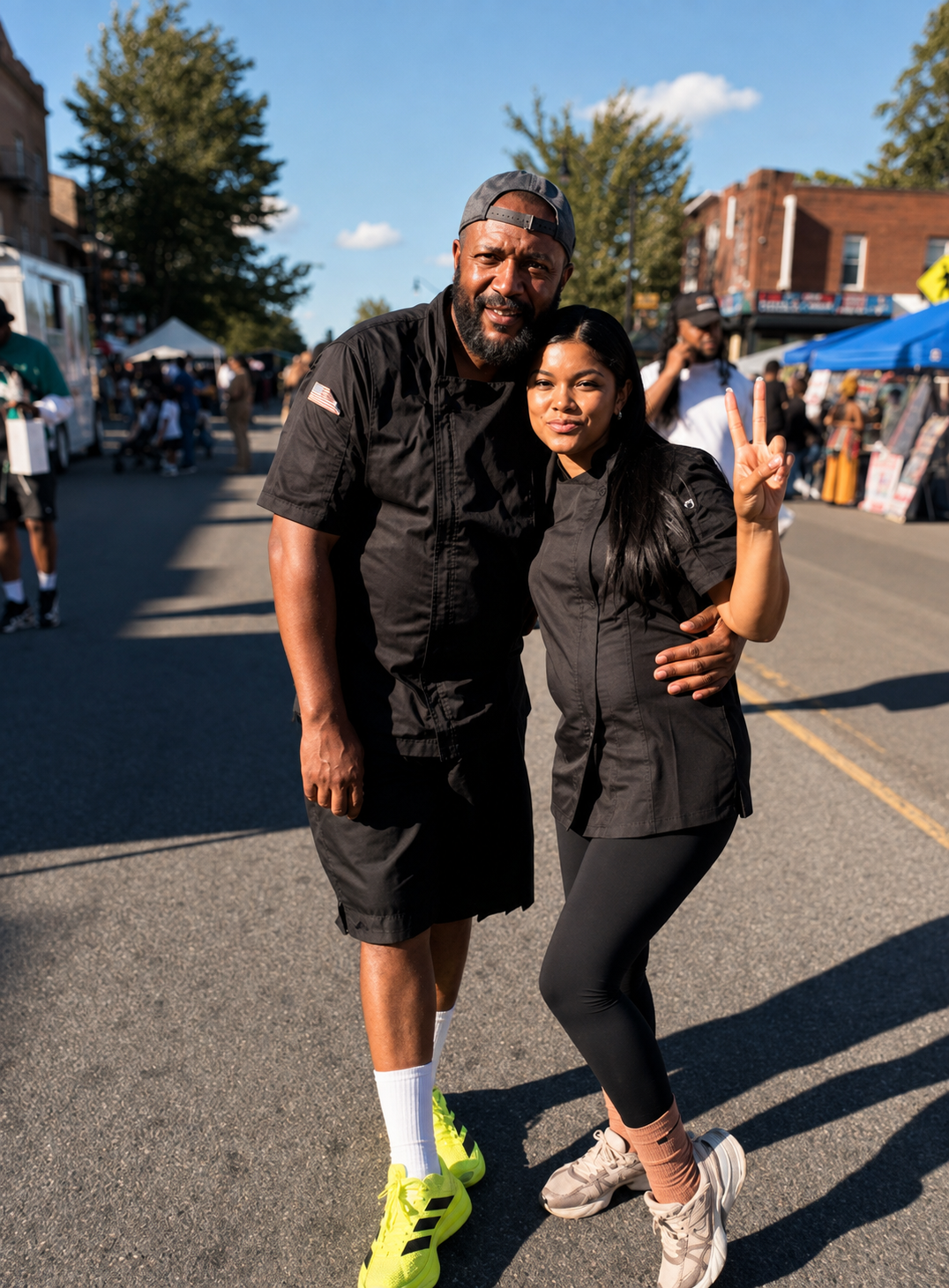
The product has totravel with you.
Then the hard part arrives: the product has to travel with you. A great plate in your own kitchen is a skill. The same plate delivered at a festival, then at a private party, then at a wedding two counties away, is an operation. Different equipment. Different timing. Different water, heat, staff and pressure. Same expectation.
Consistency is the whole game, because in this business your reputation gets eaten. Every order is a vote of confidence someone places in your name, and the ones who don't come back rarely tell you why. As demand grows, the bushels get bigger. The events get bigger. The expectations get bigger.
So the discipline is unglamorous and non-negotiable: the same seasoning, the same portioning, the same presentation, the same welcome, whether it's forty guests in a backyard or a private client who has never heard of Newark. A&K is at the stage where that discipline gets built — or doesn't.
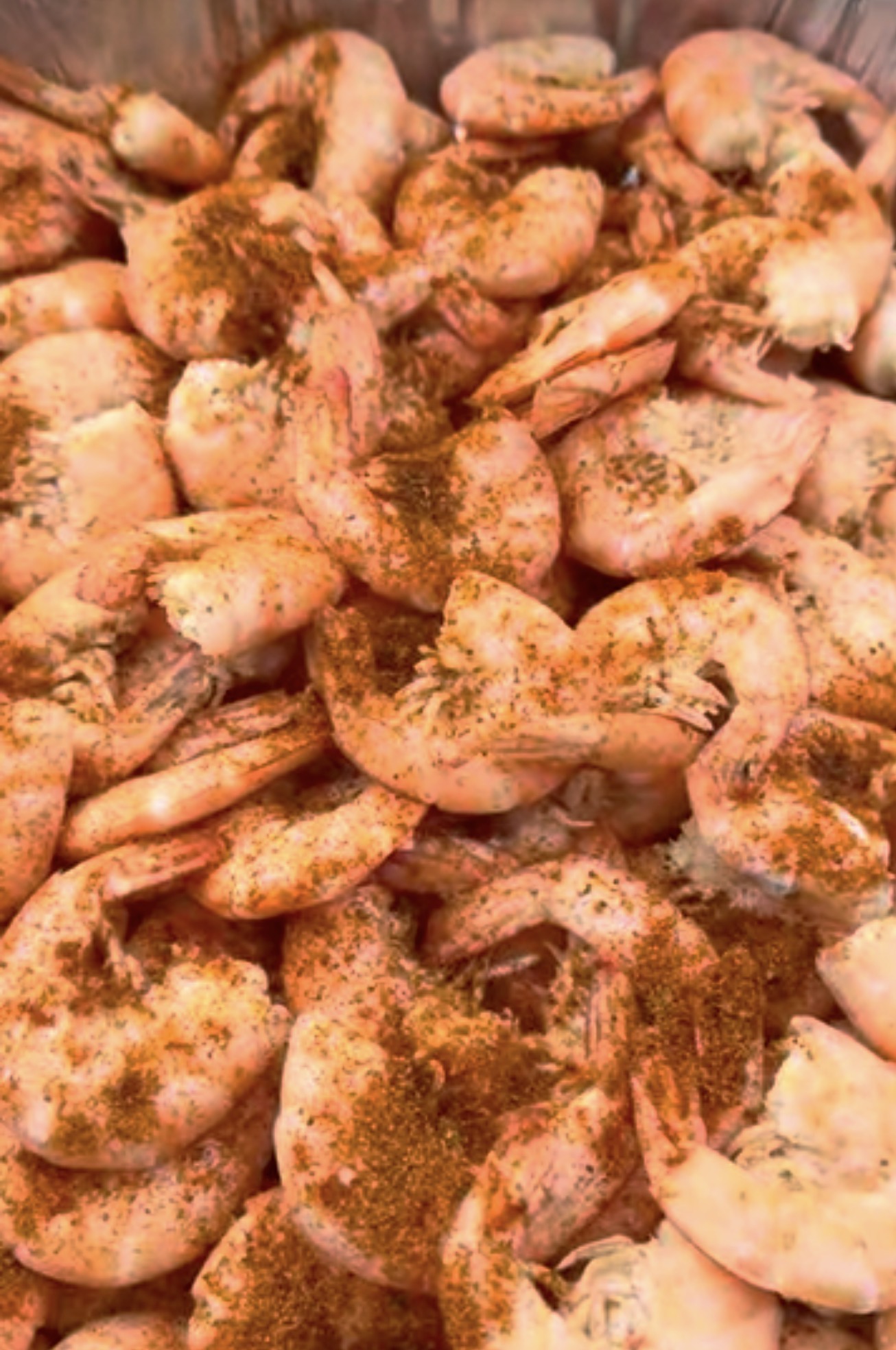
From Newarkto the Hamptons.
Which is what makes the range interesting. A&K has served local festivals and community events, and their seafood has also travelled into higher-end private events, including the Hamptons. Two very different rooms.
Newark
→
The Hamptons
The point isn't that one room matters more than the other. The point is range. A Newark-born company can serve a community festival on Saturday and walk into a private high-end environment the following weekend without pretending to be something it isn't.
Growth isn't about becoming something else. It's about becoming a more capable version of yourself.
I don't read that as trading up. I read it as capability. The company that can do both has optionality most food businesses never earn: community demand that keeps it honest, and private events that pay for the infrastructure. What has to survive the trip is the identity — the flavour, the generosity, the hands-on hospitality that made anybody care in the first place.
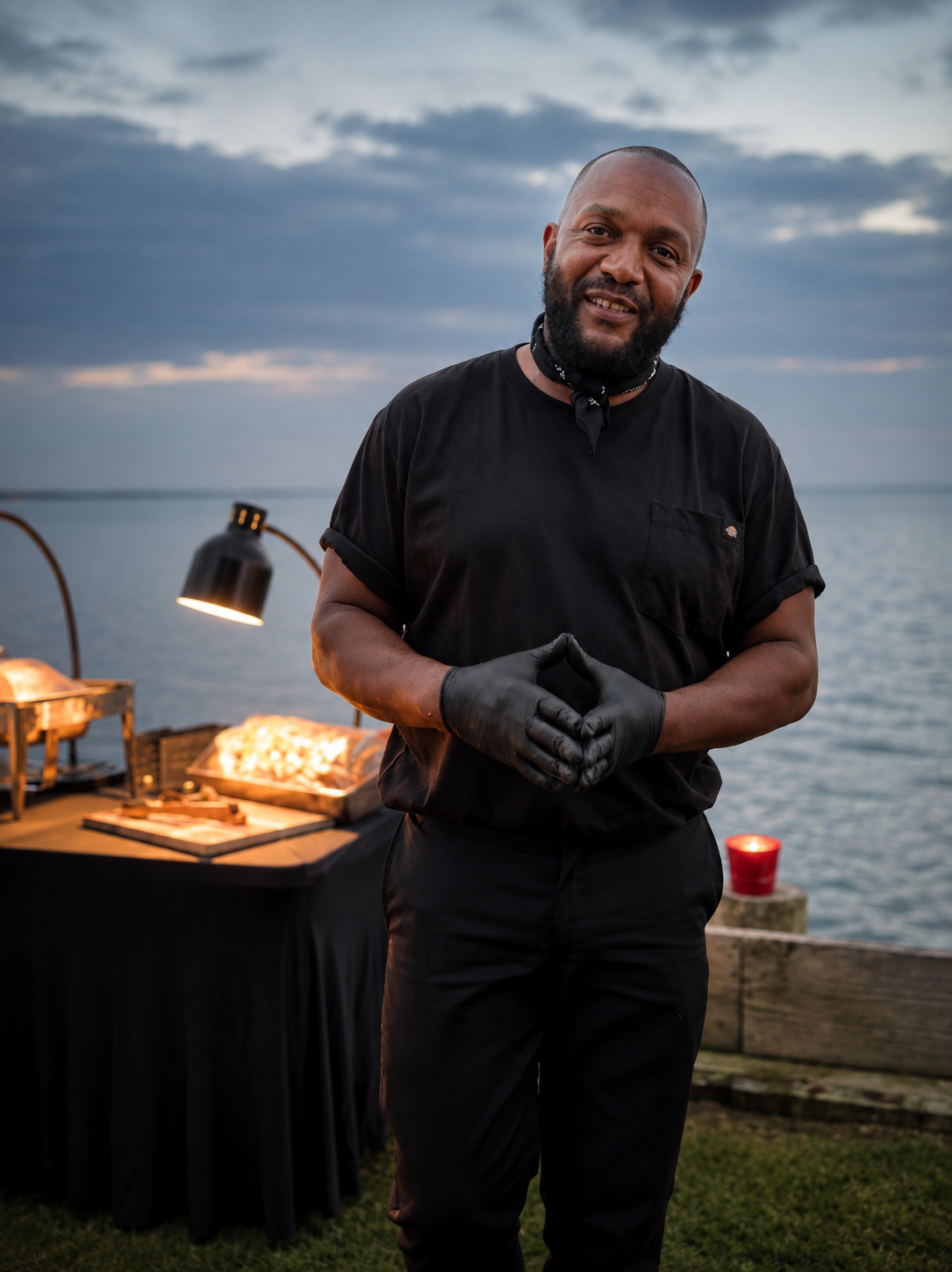
Fahkir
Your reputation gets eaten.
Private service, waterfront. Somewhere between the third bushel and the first booked event, the seafood guy became an operator.
Building with theperson beside you.
Then there's the part of this story that has nothing to do with seafood. Fahkir and Nadia are building together. I won't romanticise that. Building with your partner means money conversations that don't end when the day does, decisions made while tired, customers who don't care about your schedule, and a business that follows you home because it lives there.
But when it works, it produces something outside investors can't buy: two owners who both carry the standard, share the reputation, and are building equity and legacy in the same direction. That's community and ownership in one household. You're not just watching two people sell seafood.
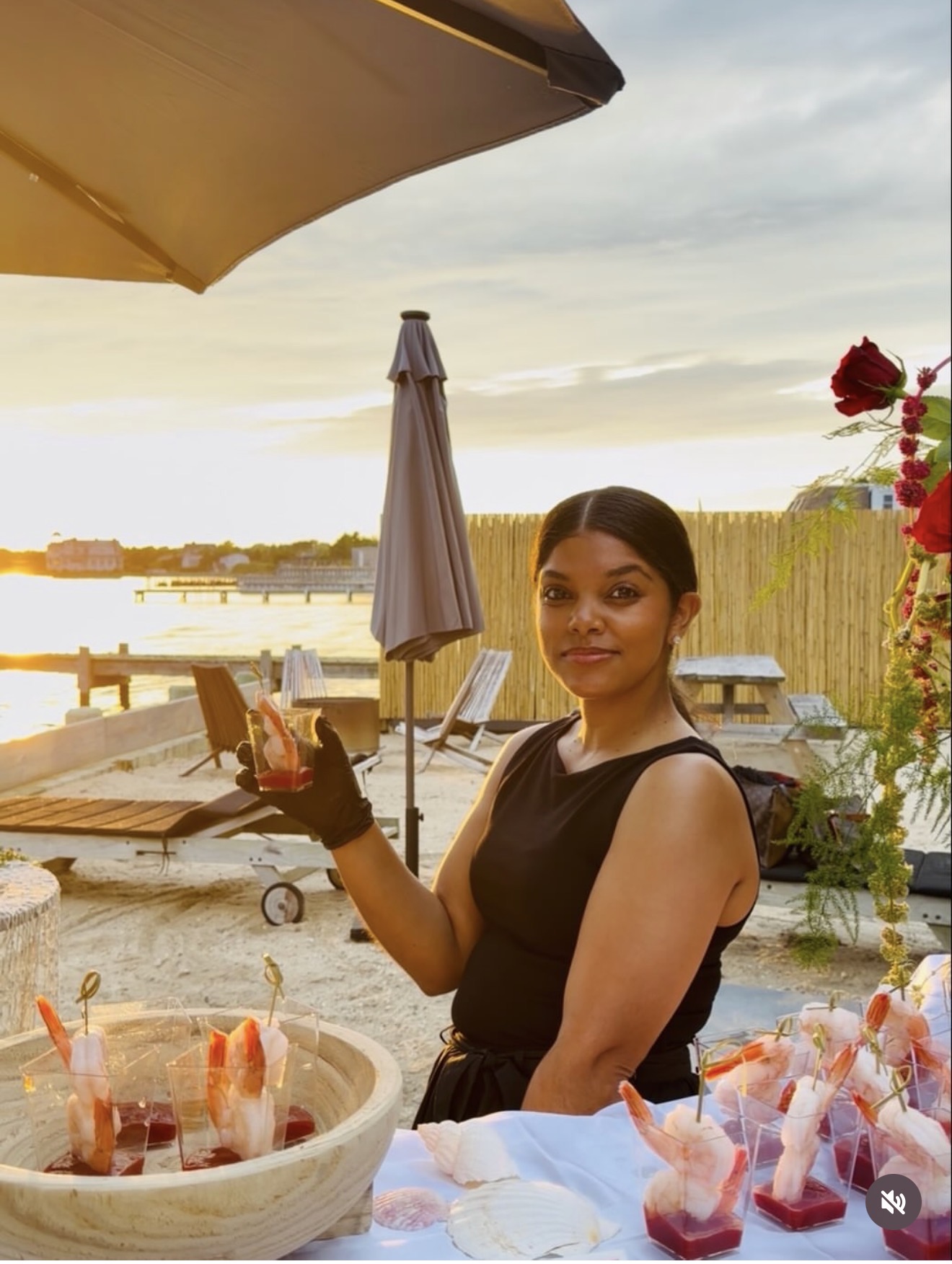
Nadia
The room remembers how it felt.
Presentation, service, pacing, hospitality. The food gets people in. The experience is what gets repeated to somebody else.
The hardest partisn't starting.
Starting gets most of the attention. I think staying is harder.
Can you stay committed when sales fluctuate?
Can you stay consistent when demand increases?
Can you protect margins while revenue grows?
Can you turn customers into community?
Can you turn hustle into process?
Can you build something that doesn't require you to personally touch every transaction?
Because staying is where the founder has to change roles. Doer to operator. Operator to leader. Leader to builder. The doer makes the product. The operator makes the product repeatable. The leader makes other people capable of making it repeatable. The builder makes a company that produces value whether or not the founder is touching the transaction.
That progression is the actual work of the next few years for a company like A&K, and it's mostly invisible from the outside. Systems. Pricing. Staffing. Sourcing. Booking. The boring infrastructure that turns hustle into a business with a resale value.
Don't confuse earlywith small.
Which brings me to the reason this story sits in WHO'S FRESH? at all.
Don'tconfuseearlywithsmall.
Traditional media usually waits. It arrives after the valuation, the celebrity partnership, the expansion, the viral moment, the following large enough to be safe to write about. By then the story is a summary.
FRESH is built for the other side of that timeline. We want to document builders while they are still building — while the decisions are unresolved, the margins are tight and the outcome is genuinely unknown. Early isn't a smaller version of a company. It's the part where the company is being decided.
FRESH is interestedin the momentbefore obvious.
A&K feels early. And early is exactly where I want to be paying attention.
A story.
A product.
Founders.
Movement.
Customer demand.
What does theempire look like?
So it's fair to ask what an empire could look like here — as a question, not a plan. Nothing below has been announced by the founders. It's simply the set of directions a company with this product and this demand could credibly move in.
Multiple locations.
A flagship seafood market.
Larger-scale catering.
Packaged products.
Nationwide shipping.
Hospitality experiences.
Or something the founders haven't thought of yet.
An empire doesn't have to begin with an empire-sized plan. Sometimes it begins with one good product and enough conviction to sell it again tomorrow. From local festivals to Hamptons parties. From pounds of shrimp to bushels of crabs. From customers to community. From an idea to an operation. And perhaps one day — from an operation to an empire.
Food
Business
Culture
Hospitality
Entrepreneurship
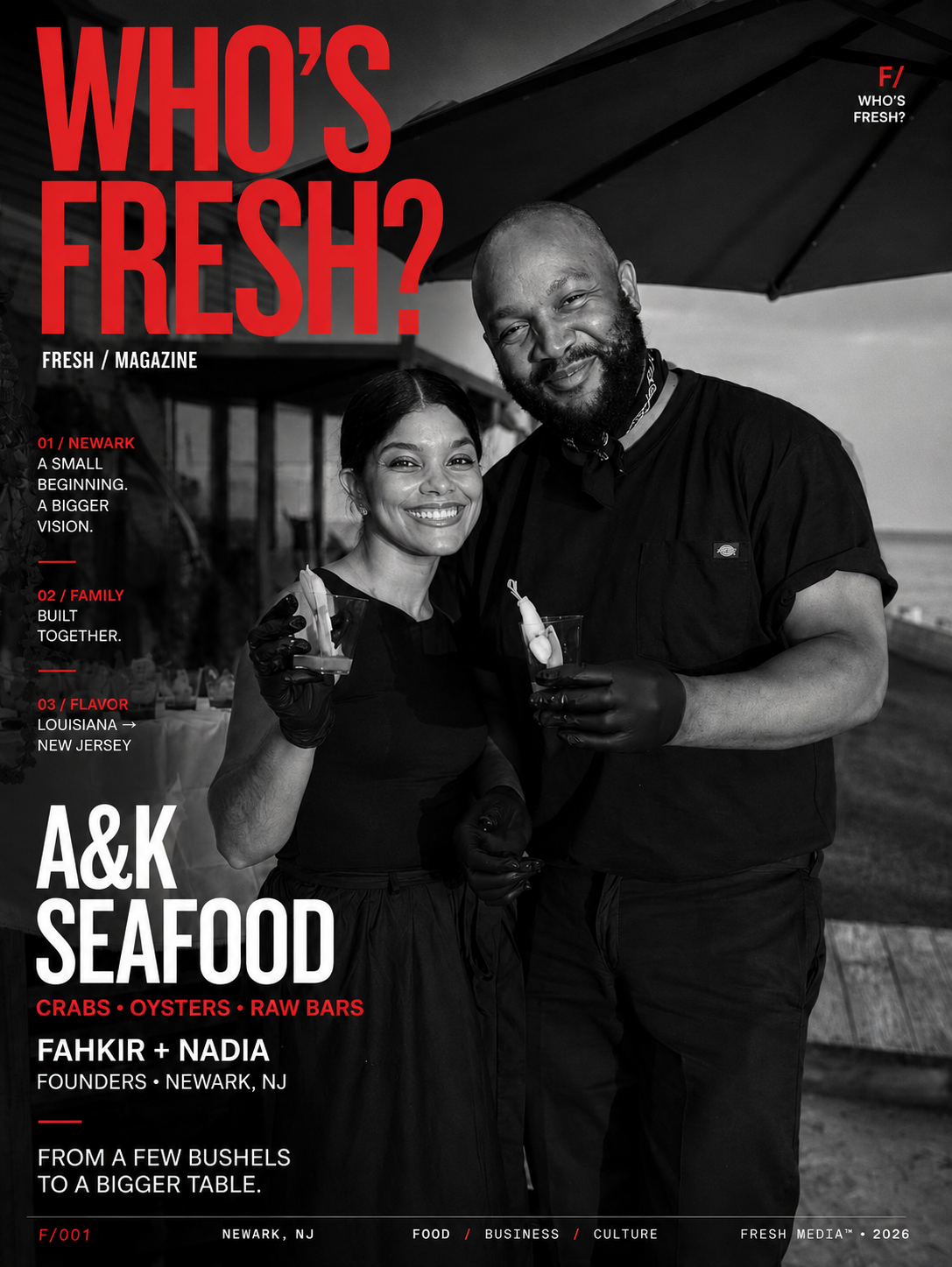
A&K Seafood
- Fahkir + Nadia
- Newark, New Jersey
- Seafood / Food / Hospitality
They're building a Newark-born seafood business while learning how to translate local demand, consistency and hospitality into something capable of becoming much larger.
They'reFRESH.
Fahkir and Nadia aren't at the end of the story. They're at the part worth watching. And around here, we have a name for that.
Who shouldwe know next?
- Building something?
- Creating something?
- Changing your industry?
FRESH wants to know the people everyone will know tomorrow — today.
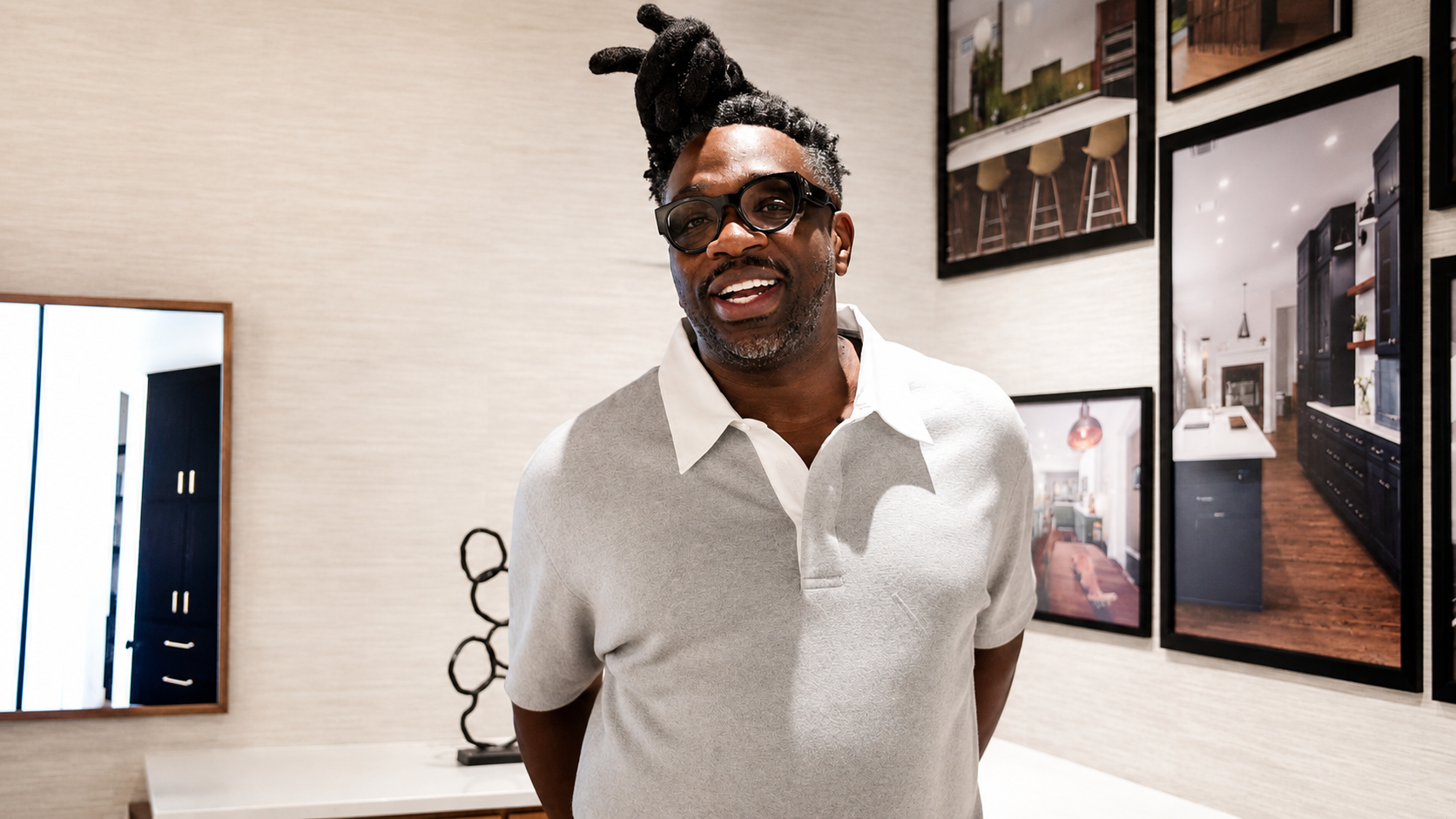
Chef Ameer Natson
Ameer Natson writes about food, entrepreneurship, hospitality and the people building what comes next.